

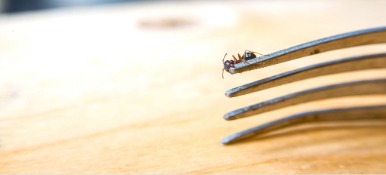
If you’re dealing with ants—especially odorous house ants (OHA) or little black ants—you’re not alone. These tiny intruders make up nearly 95% of residential ant calls and are notoriously persistent.
Most ant infestations actually begin outside. Once ants find food or water inside your home, they establish a path—and keep coming back.
Where Ant Problems Really Begin
Ants often build nests outdoors in:
- Soil and mulch beds
- Along foundations
- Under walkways or patios
From these nests, they continuously forage for food. Once they discover access to your home, the problem can quickly escalate.
Why Odorous House Ants Are Especially Tough
OHA are more than just a nuisance. Crushing them can leave a distinct “rotten coconut” odor, and unlike other ants, they have multiple queens and can maintain several colonies inside and around a home. Flying ants often indicate a nearby colony, which can make control even more challenging.
Why Ants Return to the Same Spots
Ants rely on scent trails to guide others to food. That’s why you’ll often see them in lines or reappearing in the same areas.
Even after cleaning, these trails can persist—especially if crumbs, stick residue, or moisture are still present.
The Hidden Problem Behind the Walls
The ants you see are only a fraction of the infestation.
Colonies may be hidden:
- Behind walls
- Under floors
- Around your home’s exterior
Multiple colonies can contribute to the problem, which is why quick DIY sprays or surface cleanings rarely solve ant issues for long.
Why DIY Ant Control Doesn’t Last
Treating ants after they appear often fails because:
- Trails are already established
- Colonies are active
- New ants constantly replace the ones you see
Sprays may provide short-term relief, but they don’t address the colony itself.
What Actually Works to Get Rid of Ants
Effective ant control targets the source—not just the ants you see. Industry-proven insecticides allow ants to carry the active ingredient back to their colony, which helps eliminate entire nests instead of just killing individual ants.
- Identifying and treating outdoor nesting areas
- Targeting ant trails and entry points
- Creating a protective barrier
- Ongoing monitoring to prevent return
Because odorous house ants and little black ants can have multiple queens and colonies, consistent treatment is essential for long-term control.
Prevent Ants Before They Become a Problem
The best approach is preventative. A year-round plan helps:
- Reduce conditions that attract ants
- Block common entry points
- Maintain ongoing protection
This shifts the focus from reacting to infestations to staying ahead of them.
Break the Cycle
If ants keep coming back, it’s a sign the underlying colonies haven’t been addressed.
With targeted, consistent control, you can reduce sightings, prevent repeat problems, and protect your home from these persistent intruders.