
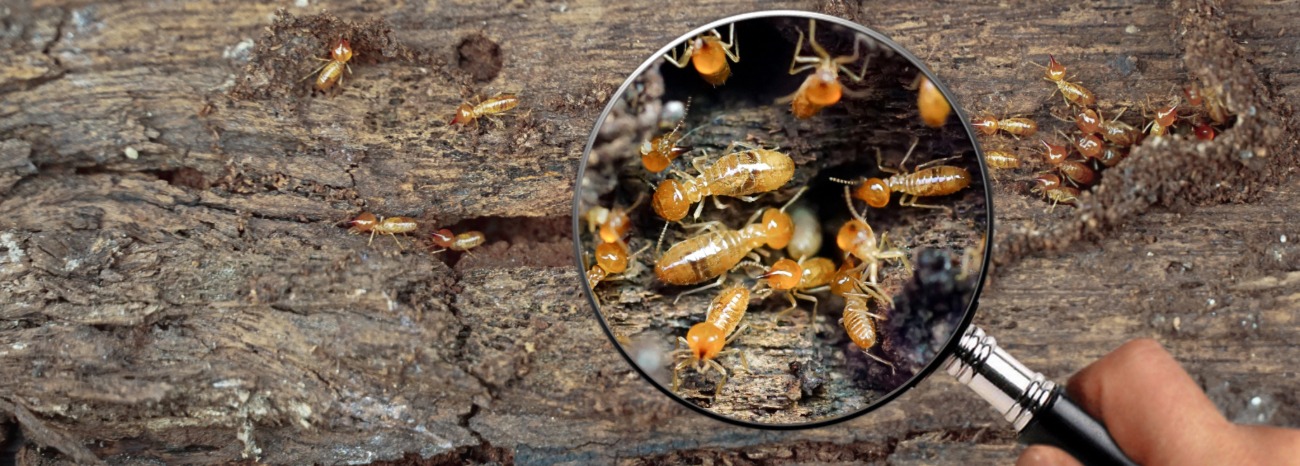
It’s that time again! Days are warming up, mulch is going down, and for termites, it’s go time. While you’re planning spring projects, termites are staging their own seasonal move. Early spring often triggers swarming and increased activity, meaning homeowners start noticing winged termites and other signs that something is very wrong behind their walls.
Warmer, humid weather accelerates termites’ life cycle, reproduction, and colony expansion. That’s why late February into early spring is a peak period for termite concerns in our region.
Let’s dig into what termites are, how to spot them, why this time of year matters, and what you can do before they cost you thousands.
Not Just “Little Bugs” — Meet the Termite Threat
Termites are social insects that live in colonies and feed on cellulose — the building block of wood, paper, cardboard, and even some plant materials. One queen can lay tens of thousands of eggs, allowing a colony to multiply fast if conditions are right.
Here’s the catch: termites don’t need to be inside your house to damage it. They start outside in the soil, then tunnel in through the foundation, moisture‑rich wood, or tiny cracks in structures. By the time you notice them, they may already have been eating your home for months or years.
Termites in Pennsylvania, Southern New Jersey, and Delaware are among the most likely to damage homes because they form underground colonies and travel up into structures.
Hidden Signs You May Have a Problem
Termites are masters of stealth. Since they stay out of sight, you’ll need to look for clues of activity:
- Mud tubes along foundation walls or crawl spaces: these are protected highways termites build between their underground nests and wood food sources.
- Hollow‑sounding wood: tapping on wood that sounds hollow or papery often means termites have eaten the interior while leaving a thin outer shell.
- Discarded wings: after swarming, termites shed their wings near entry points.
- Frass (drywood termite droppings): fine, wood‑like pellets near baseboards or wooden beams.
- Warped surfaces or sagging floors: internal damage is already affecting structural integrity.
These signs often show up long before you notice live termites crawling around — which is why vigilance is key.
Smart Prevention Starts with Awareness
Since termites can feed quietly for long periods, prevention and early detection are essential. Here are ways to reduce risk:
- Reduce moisture: Termites are attracted to damp wood and soil. Fix leaks, improve drainage, and minimize moisture around your foundation.
- Remove wood‑to‑soil contact: Keep mulch, firewood, and lumber at least 6 inches from the house — and elevated — to avoid inviting termites in.
- Seal entry points: Caulk cracks in foundations, gaps around utility lines, and openings around window frames.
- Schedule regular inspections: The best way to get ahead of termites is with a professional evaluation before damage happens.
How Moyer Helps You Get Ahead of Termite Threats
Termite control isn’t one‑size‑fits‑all. Our trained technicians start with a thorough inspection to confirm if termites are present, assess the size of the infestation, and determine the best plan of action.
Because termites work quietly, ongoing monitoring and annual inspections are the most effective ways to avoid expensive structural repairs later on.
Don’t wait for the damage to show!
Schedule a termite inspection with Moyer today and protect your home before spring swarms turn into costly repairs. 215.299.2010