
We use toilets multiple times a day, yet most of us rarely think about what makes them work…until something goes wrong. Understanding the parts of a toilet and how they function can help you troubleshoot issues and communicate better with your plumber.
Functional Toilet Parts
Toilet Bowl & Rim
The toilet bowl is the visible part that holds water and waste. Attached to the top of the bowl is the rim, which has small holes that direct water into the bowl during a flush to rinse the sides. The bowl usually comes in round or elongated shapes to fit different bathroom spaces.
Seat & Lid
While not part of the flushing mechanism, the toilet seat and lid offer comfort and hygiene. The seat attaches to the bowl with hinges, and the lid can help reduce the spread of germs when closed during flushing.
Inside the Tank: How the Flush Works
The tank holds fresh water used to flush the bowl. When you press the flush handle, a series of parts work together to release water and start the flush cycle.
Flush Lever & Chain
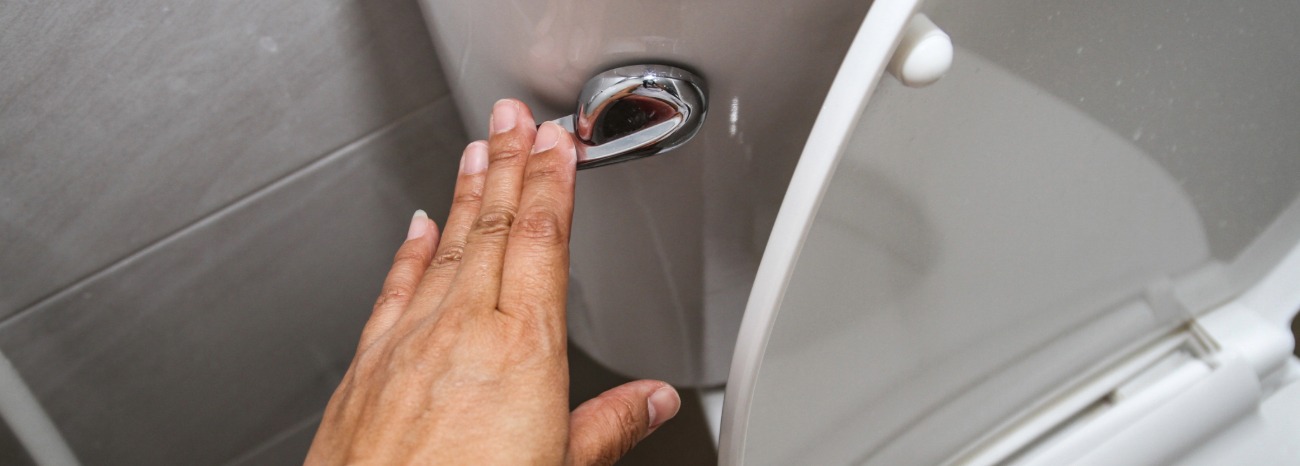
The flush lever (or button) connects to a chain that lifts the flapper when activated. This starts the flush by allowing water to flow from the tank into the bowl.
Flush Valve & Flapper
The flush valve sits at the bottom center of the tank. A rubber flapper seals the valve until it’s lifted by the chain, releasing a rush of water into the bowl to carry away waste.
Fill Valve & Float
After flushing, the fill valve opens to refill the tank and bowl with water. The float or float cup rises with the water and shuts the fill valve when the correct water level is reached.
Overflow Tube
The overflow tube prevents the tank from spilling over. If the fill valve doesn’t shut off properly, excess water flows into this tube and into the bowl.
Base Components: Stability & Seal
Trapway
The trapway is the S-shaped channel inside the toilet base that directs waste to the drain while maintaining a water seal that blocks sewer gases.
Wax Ring & Flange
Underneath the toilet, the wax ring forms a watertight and airtight seal between the toilet and the drainpipe. The flange helps anchor the toilet securely to the floor.
Bolts and Covers
Toilet bolts secure the toilet to the floor through the flange and are typically hidden by decorative covers to match your bathroom finish.
Why Knowing the Anatomy of a Toilet Matters
Understanding your toilet’s anatomy can help you identify issues like constant running, weak flushes, leaks, and noises. When you can describe a part by name, Moyer’s plumbing experts can diagnose and fix problems faster.
Need help with a stubborn toilet issue? Contact Moyer Plumbing and keep your bathroom running smoothly.
Contact Moyer for Plumbing Services