
Sewer line lifespan matters. Not just for peace of mind, but for avoiding costly repairs or emergency replacements. The answer always depends on what your sewer pipes are made of and how long they’ve been in the ground. Different materials age at different rates, and knowing what your home has can help you plan ahead.
Typical Lifespans by Sewer Pipe Material
Here’s a quick comparison of common sewer line materials and how long you can expect them to last:
PVC (Polyvinyl Chloride): 75–100+ years
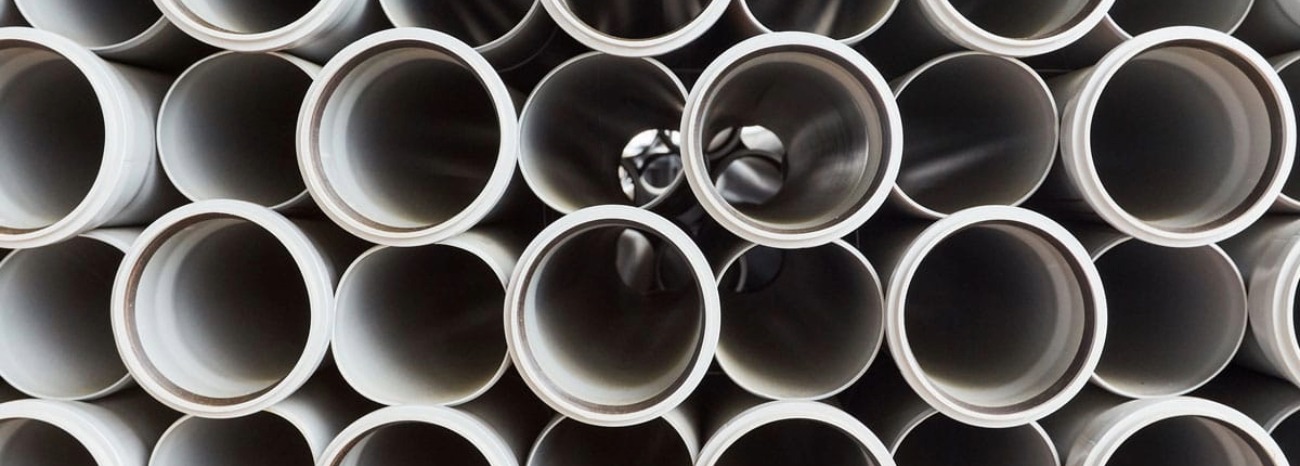
Modern homes typically use PVC sewer lines because this plastic-based pipe is lightweight, corrosion-resistant, and less prone to root intrusion or chemical wear. Many experts estimate Schedule 40 PVC sewer lines can last well over 75 years, with some exceeding 100 years in ideal conditions.
Cast Iron: 50–75 years
Once popular for its strength, cast iron is now considered aging technology. It corrodes from the inside out over time and tends to fail sooner than its theoretical lifespan, especially in areas with acidic soil or heavy use.
Clay (Terracotta): 50–60 years
Clay was widely used before the 1980s and resists many sewer chemicals, but it’s brittle and vulnerable to cracking, shifting soil, and leaks at joints. Most clay sewer lines in older homes are now at or beyond their expected lifespan.
Orangeburg (Fiber & Pitch): 30–50 years or less
Used mid-20th century, this fiber-based pipe material deteriorates faster than others. It’s notorious for warping, collapsing, and allowing root intrusion, making it the shortest-lasting sewer option homeowners encounter.
What Affects How Long Sewer Line Lasts?
Lifespan estimates assume ideal conditions, but real-world factors can shorten a sewer line’s life, including:
- Tree roots and root intrusion
- Shifting or compacting soil
- Heavy traffic or construction over the line
- Corrosive soil chemistry
- Poor initial installation
Even the toughest pipe can be compromised when surrounding soil pressures, moisture, and roots act against it.
Signs It’s Time to Consider Replacement
You don’t have to wait for a full collapse. Early warning signs include:
- Repeated backups or slow drains
- Foul odors from yard or drains
- Wet spots or sinkholes in the yard
- Unexpected foundation cracks
- Root intrusion visible on inspection
How Moyer Plumbing Can Help
If you’re unsure what type of sewer line your home has—or whether it’s nearing the end of its lifespan—Moyer Plumbing is here to help. Our team offers professional sewer line inspections using camera technology to identify cracks, root intrusion, corrosion, or blockages before they turn into major problems. We also provide thorough sewer line cleaning to restore proper flow and extend the life of your system, as well as expert sewer line replacement services when aging or damaged pipes need to be addressed. With Moyer, you’ll get clear answers, honest recommendations, and solutions built to last.