
An overflowing toilet can quickly turn into a messy, stressful situation, but in many cases, you can stop the problem fast with a few simple steps before calling a plumber. In this guide, we’ll walk you through how to fix an overflowing toilet safely and effectively, protect your home from water damage, and help you avoid future clogs.
Step 1: Stop the Water Flow Immediately
The first priority when your toilet is overflowing is to stop more water from entering the bowl. If the bowl is rising toward the rim, extra water will only make the mess worse.
Here’s how to stop water flow fast:
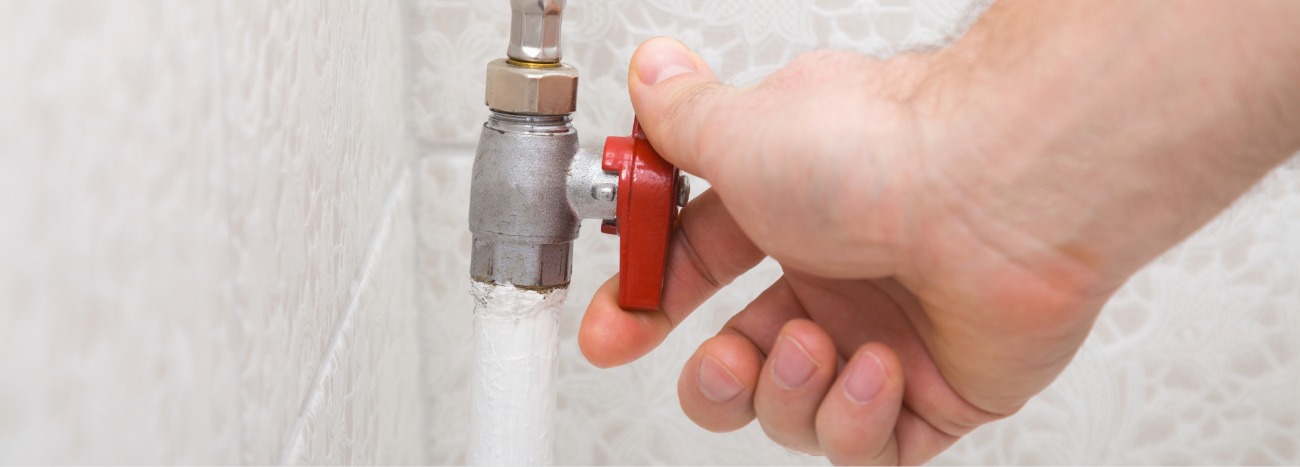
Turn off the toilet shut-off valve — this small valve is usually located near the floor behind the toilet. Turn it clockwise until water stops flowing into the bowl.
Lift the float or push down the flapper in the toilet tank — if the shut-off valve is hard to reach or stuck, removing the tank lid and manually stopping the fill mechanism will prevent more water from entering.
Stopping the water quickly buys you time to work on the clog and prevents water from spilling all over your bathroom floor.
Step 2: Plunge the Toilet Correctly
Once the water flow is under control, it’s time to tackle the clog — the most common cause of toilet overflow.
Plunging tips
- Use a flange plunger (designed for toilets) — it seals better than a sink plunger.
- Position the plunger over the drain hole and push down slowly, then pull up sharply. Repeat several times to create pressure that loosens the clog.
- If the water level is high, let some water out into a bucket before plunging — too much water can make plunging messy and less effective.
If plunging doesn’t immediately work, don’t panic — stubborn clogs sometimes take a few attempts.
Step 3: Use a Toilet Auger or Alternative Methods
If the plunger doesn’t clear the clog, your next tool is a plumbing snake. This flexible tool reaches deep into the drain to break up or extract the blockage.
How to use a toilet auger
- Feed the snake into the toilet drain slowly.
- Turn the handle clockwise while pushing gently.
- When you feel resistance, continue turning to break up the clog.
Tip: Be gentle to avoid scratching the porcelain. If you feel uncomfortable using a plumbing snake, it’s okay to skip this step and call a professional.
Alternative DIY methods
For soft clogs caused by excess toilet paper, a mix of hot (not boiling) water and liquid soap can help lubricate and soften the blockage before plunging.
Step 4: Clean Up and Prevent Water Damage
If water has spilled onto your bathroom floor, act fast:
- Soak up water with old towels, a mop, or a wet/dry vacuum to prevent damage or mold.
- Disinfect floors and baseboards with a bleach solution or household cleaner.
This step is especially important if wastewater escaped during the overflow.
Step 5: When to Call a Plumber
Sometimes even the best DIY efforts won’t fix the problem — and that’s when you need expert help.
Call Moyer Plumbing if:
- The toilet continues to overflow after plunging and snaking
- You suspect a deeper sewer line blockage, vent pipe issue, or damaged toilet parts
- Your toilet overflows frequently — this could indicate a larger plumbing problem beneath your home.
Our experienced plumbers have the tools to diagnose hidden clogs, sewer backups, or malfunctioning toilet mechanisms and make long-lasting repairs.
Helpful Tips to Prevent Future Toilet Overflows
Only flush toilet paper and human waste — no wipes, paper towels, or feminine products.
Teach family members proper flushing habits.
Regularly inspect toilet components like the flapper and float — worn parts can cause overflows.
An overflowing toilet doesn’t have to ruin your day — with the right steps, you can stop the water, clear the clog, and protect your home quickly. But if the problem sticks around, don’t hesitate to call Moyer Plumbing for fast, reliable service.